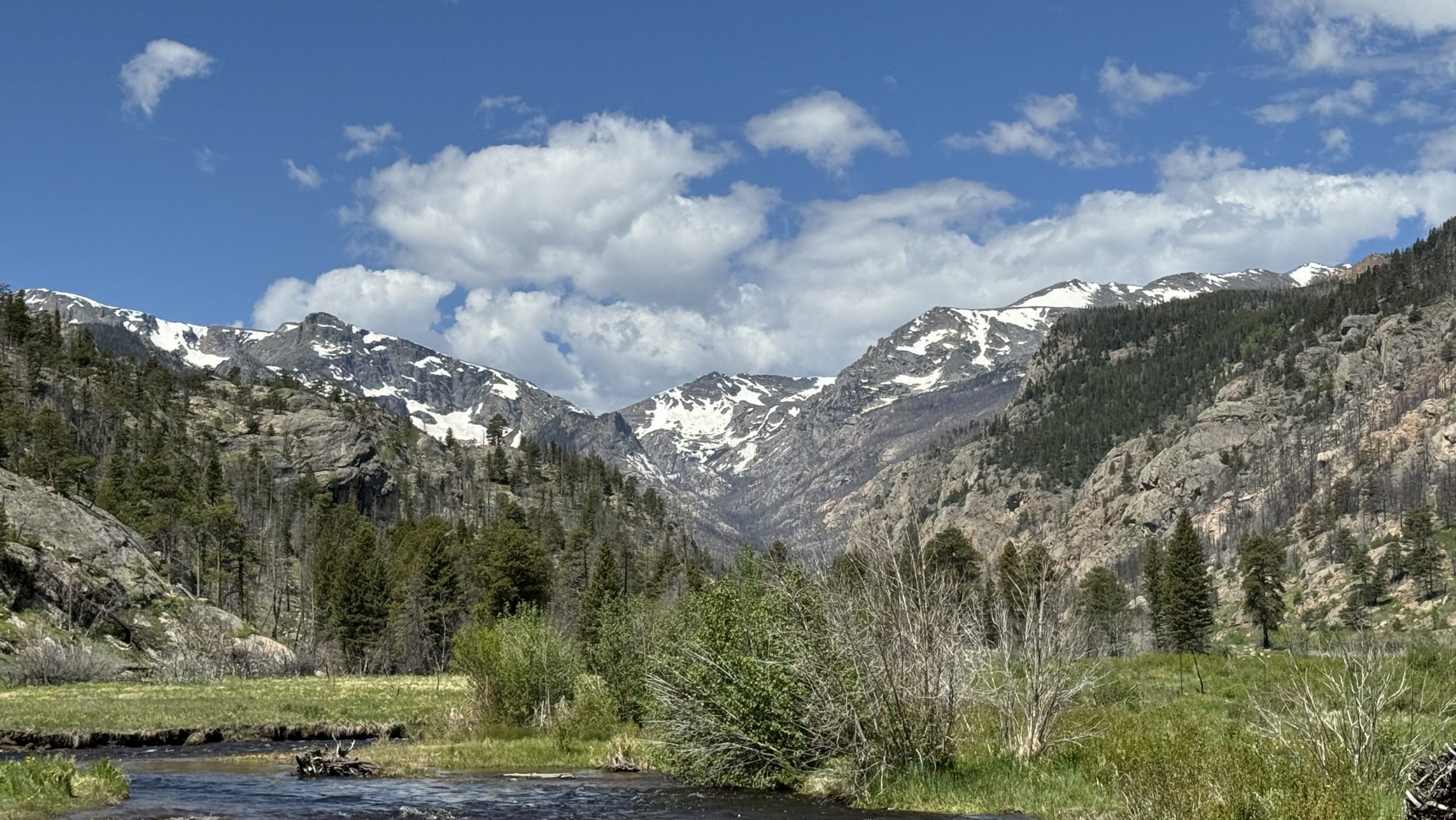
On my way back to Texas, I spent a week in one of my favorite areas to bird, the sky islands of southern Arizona.
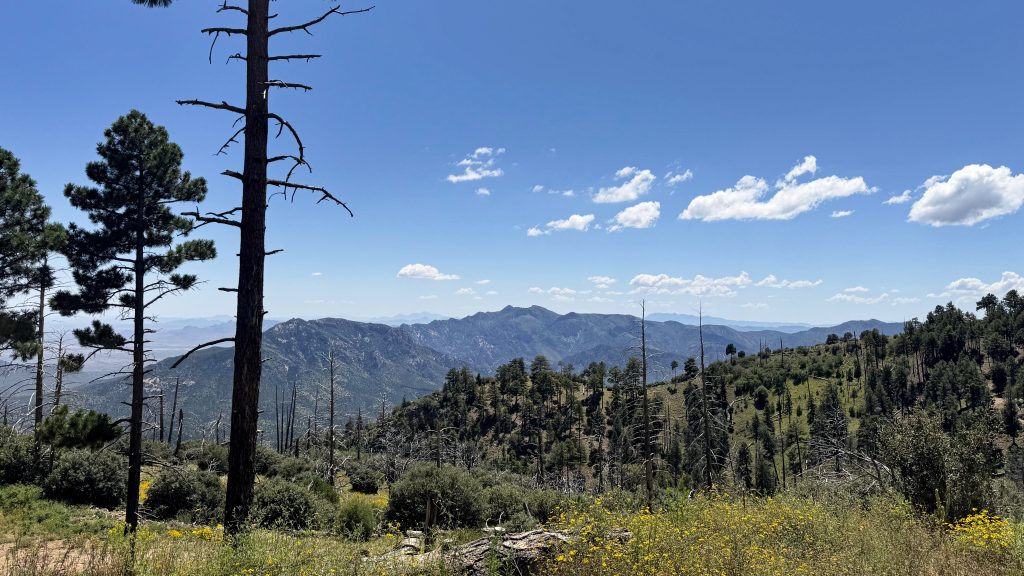
What are sky islands and why are they a major draw for birders?
Arizona’s sky islands are isolated mountain ranges rising steeply from the surrounding Sonoran Desert, each supporting cool, moist mountaintop ecosystems cut off from one another by arid basins. Biologically, they are the northernmost extensions of Mexico’s Sierra Madre Occidental. During the Pleistocene, pine-oak forests stretched continuously from the Sierra Madre through southeastern Arizona, but as the climate warmed and dried, those forests retreated upslope, leaving remnant populations stranded on the peaks.
Species like the Coppery-tailed Trogon and Five-striped Sparrow reach the northern edge of their range on these sky islands, making them a living bridge between the mountains of Mexico and the southwestern United States.
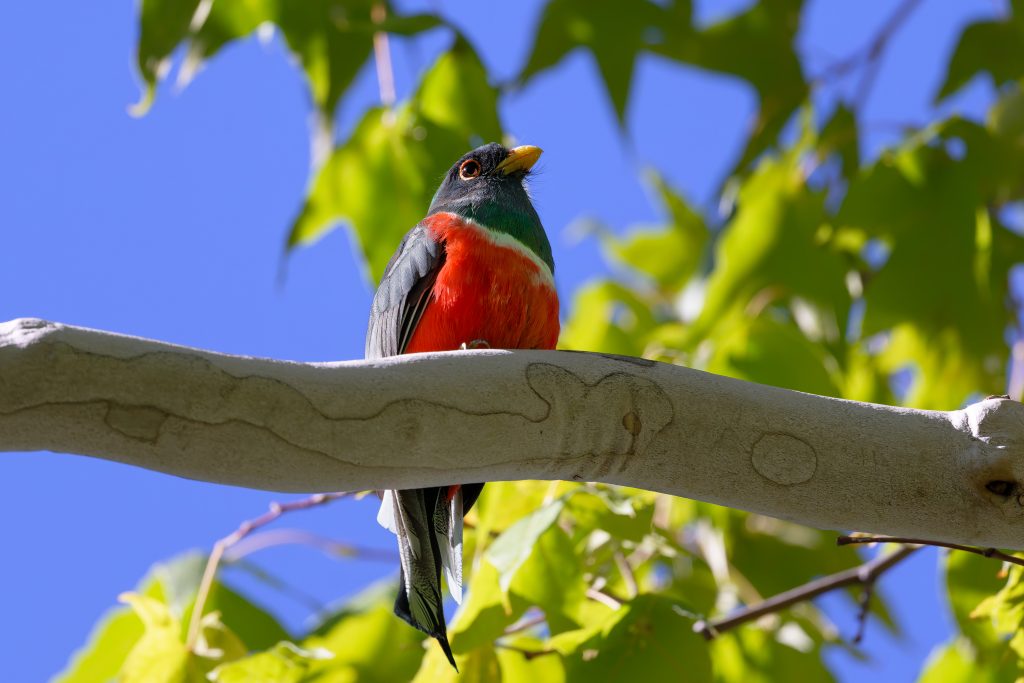
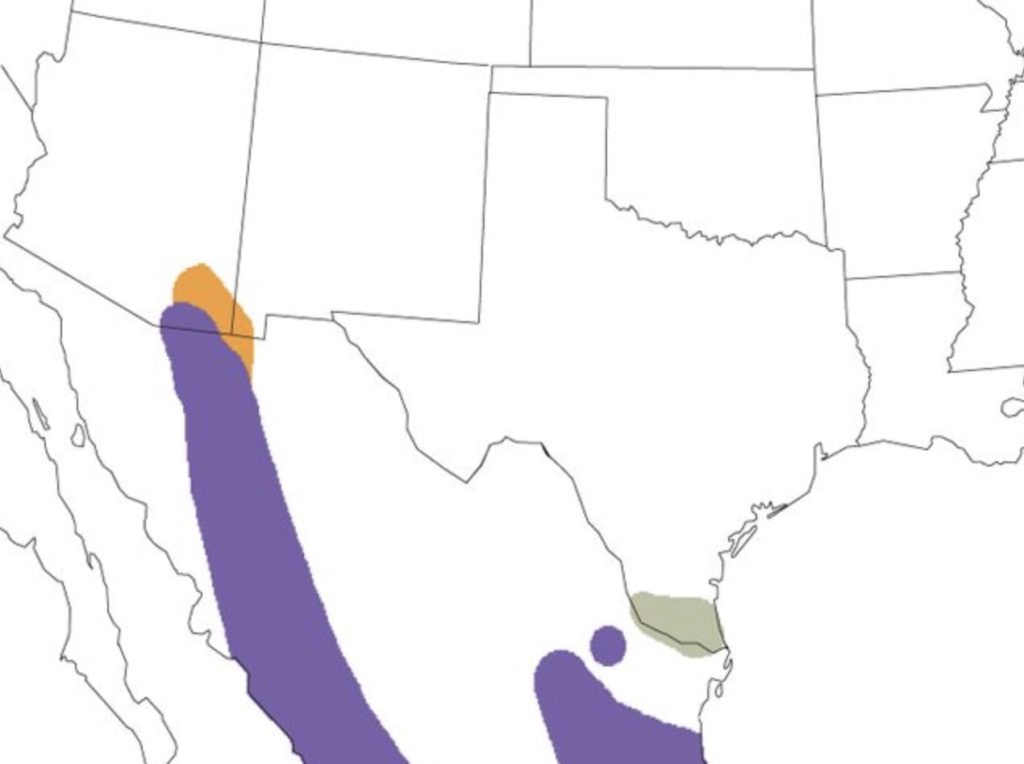
Coppery-tailed Trogons are short distance migrators, usually only getting as north as southern Arizona, where they spend the breeding season.
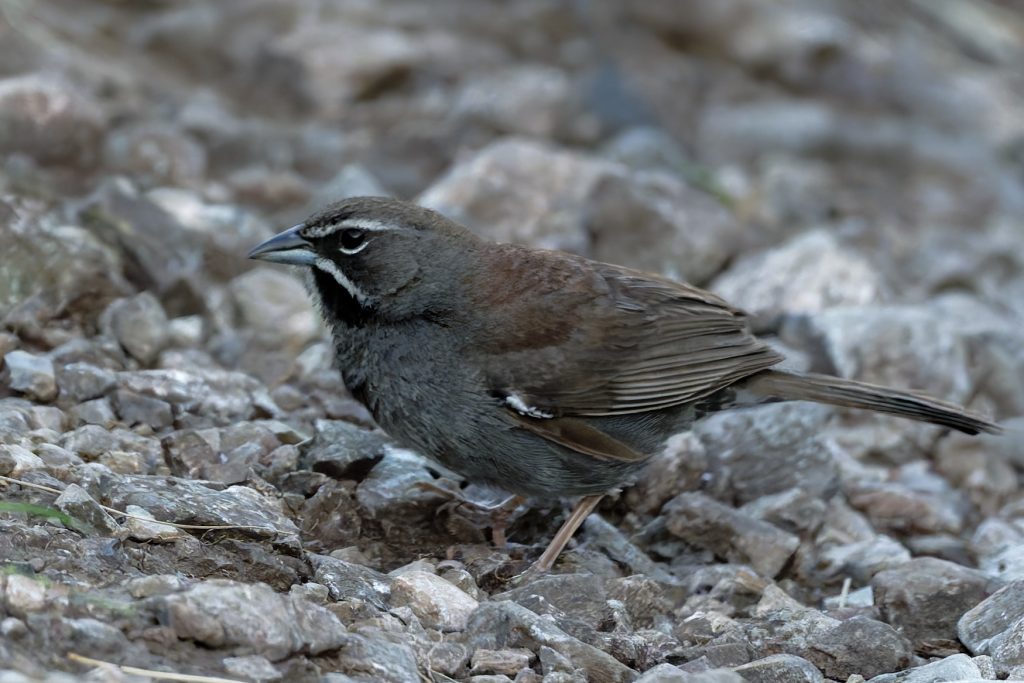
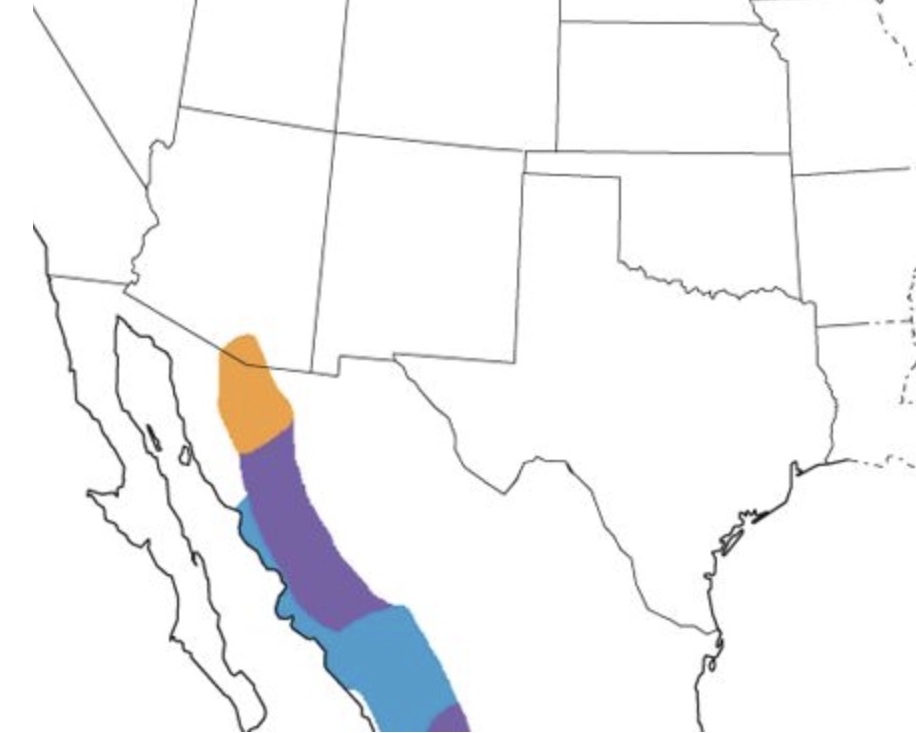
The Five-striped Sparrow is a medium-sized New World sparrow. The only place to see it in the U.S. is on the rocky hillsides and canyons of south-central Arizona.
(click on a frame to enlarge)
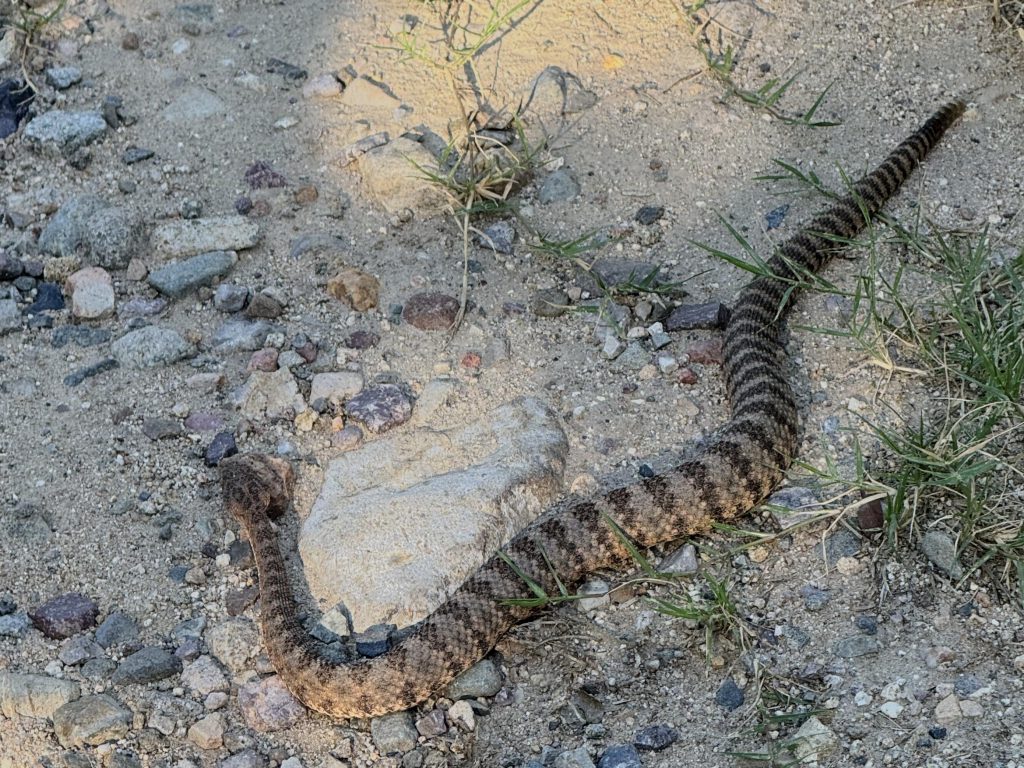
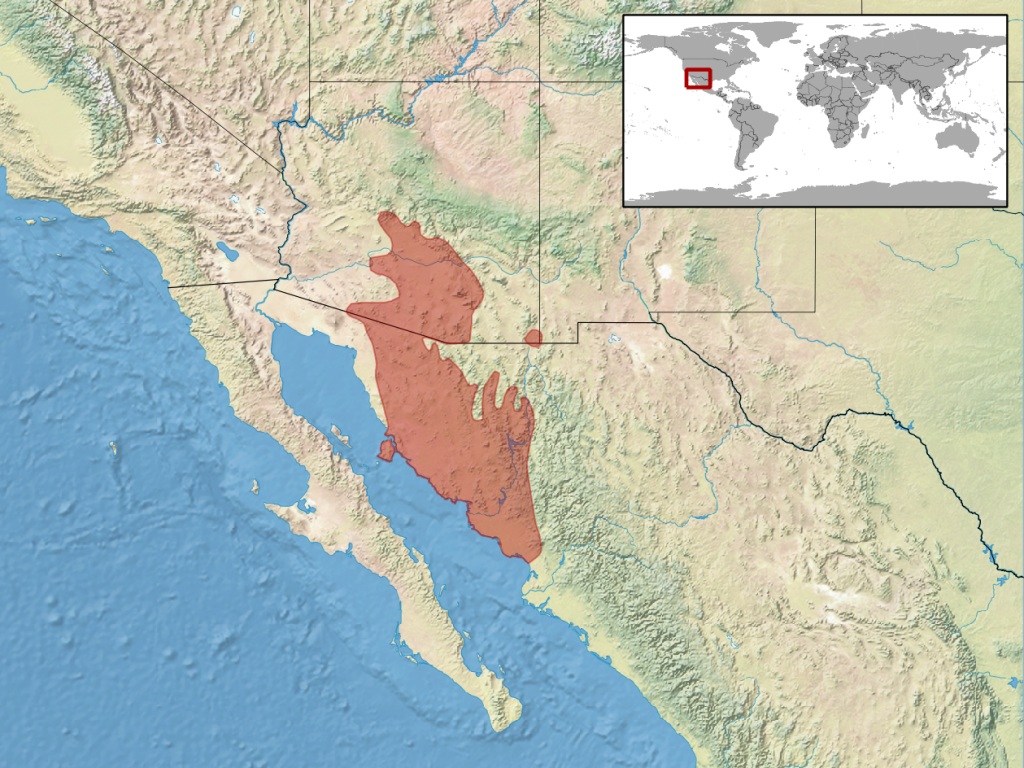
The Tiger Rattlesnake has the second most toxic venom of North American snakes (behind the Mojave Rattlesnake).
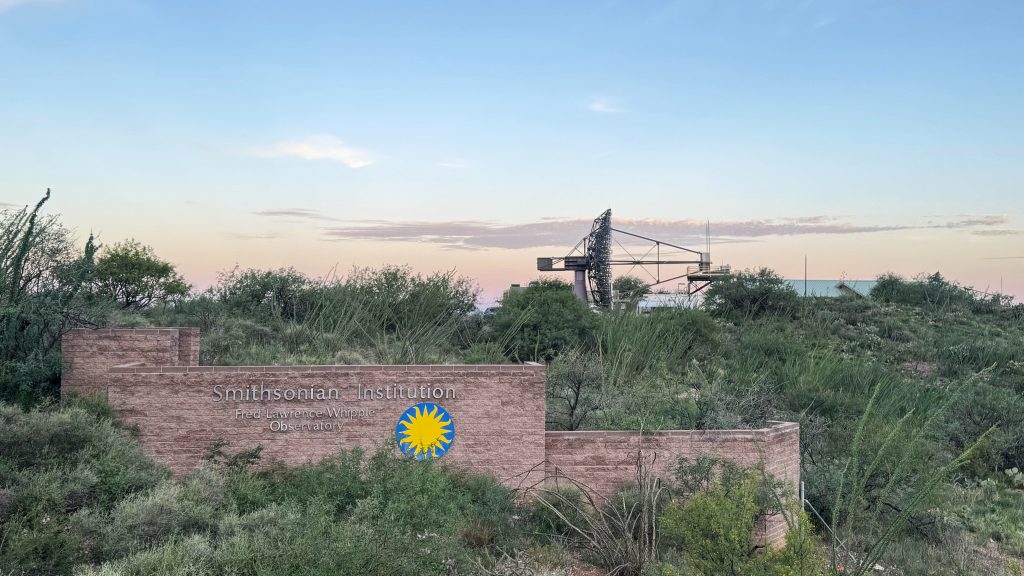
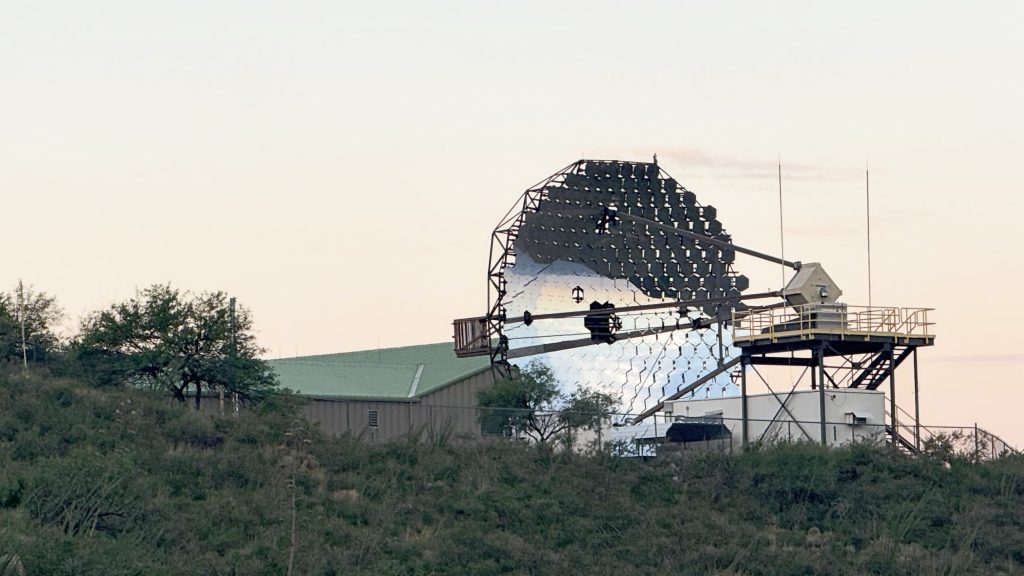
Whipple 10-meter gamma-ray telescope, located at the Montosa Canyon in the Santa Rita mountains of south-central Arizona.
Your image of a Tiger Rattlesnake is the first time I’ve ever seen one. I really like that snake. Talk about camo, that image of the Brown Creeper certainly allows a person to see camouflage at it’s best..
Your Tiger Rattlesnake image is the first time I’ve ever seen this species. I really like that snake. Talk about camo, your Brown Creeper image certainly allows a person to see camouflage at it’s best..